I wrote my first program in the early 80s and ever since I have enjoyed the process of deconstruction of a problem into pieces and the assembling of the solution. Along the way I attempted at various times to become the best at it, even moving for a while to San Francisco during the dot com craze to be among the best. During the peak of the dot com days, we hired just about every able-bodied person to fill in the mundane tasks for writing input validation, test cases, and the unfortunate soul to be a Manager.
This led to so many of the staff being in tech because of the mystic or the pay or some other reason than they were competent or enjoyed it. Similarly, in the post pandemic period it was so hard to hire people who were qualified and utterly had no time to train or coach them. Since the launch of ChatGPT and the rise of interest rates, we have been hit with a stealth recession in tech like the one we say in 2001. Like the dot com Boom, interest rates along with a pullback investment caused a tech recession. This has been coupled with a wave of new tools that we are beginning to understand how to use effectively.
While we are learning that we have got companies like Salesforce.com claiming to have reached the promised land. In an interview with Bloomberg , Salesforce CEO Marc Benioff said that about 30% to 50% of the company’s work is done by AI. 30 to 50%? That is quite a number. Donald Trump must be impressed range. That is an utterly preposterous number given that Salesforce has operating expenses of more than 8 billion (that is billion with a B). So, Benioff cannot accurately account for like 2B dollars?
And with that, I enter to discuss Tech latest unicorn, Vibe coding.
What is Vibe Coding
If you are not aware of what Vibe Coding is, I suggest you ask ChatGPT or Google about it.
The revolution will not be televised
Vibe coding has been building over the past two years as LLMs are becoming more refined at writing source code. Typically, this is open-source code versus commercial systems as the training data is more available for it to learn from. Added to that is no shortage of “content creators” out there spelling the doom of programmers and marveling at how they were able to generate functional code after answering a few questions.
It’s missed by these people that your ability to write and comprehend English (currently but that could change if the Chinese catch up), your ability to articulate requirements and goals in very specific terms, and your ability to understand how to program when combined together with experience will make you an effective operator. That effectiveness must be measured over time because productivity slows down with Vibe coding as your code base becomes larger (increasing the context window it has to consider) and your needs become more specific.
What this will cause is the elimination of many tech jobs for people without the ambition to understand what they are doing and be at the top of their industry. Because AI will be good enough, and it is to replace many low coder positions, SQL Jockos, and our favorite overly opinionated front-end developers.
AI will not care if it was asked to code in Vue or not by the latest package manager of the day. It will simply be judged on its effectiveness. Like so many manufacturing jobs that cannot be replaced by humans, your ability to adapt and learn will help you maintain a position in this field.
Because if you do not learn to adapt, you will die.
The Most Popular Vibe Coding Tools
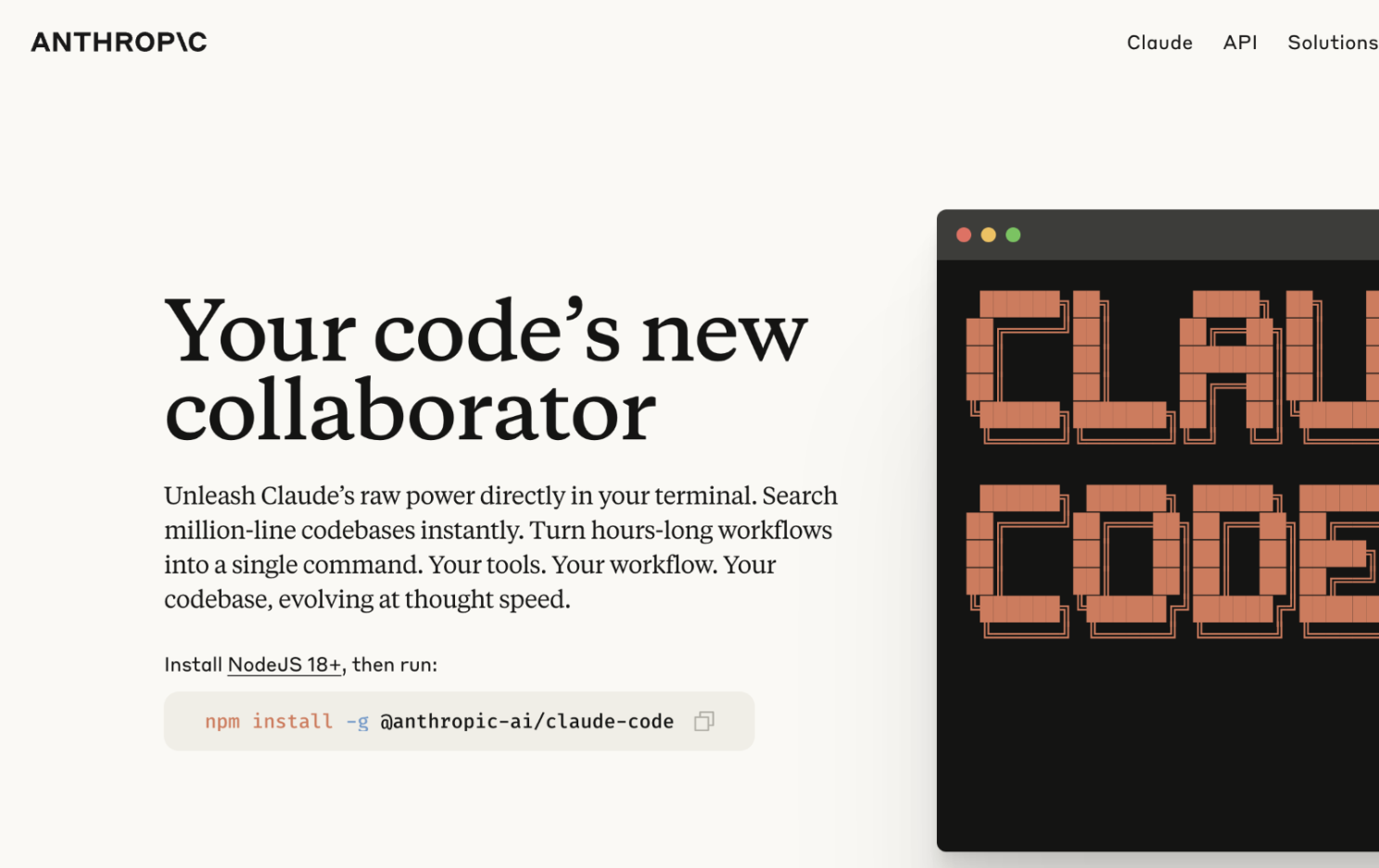
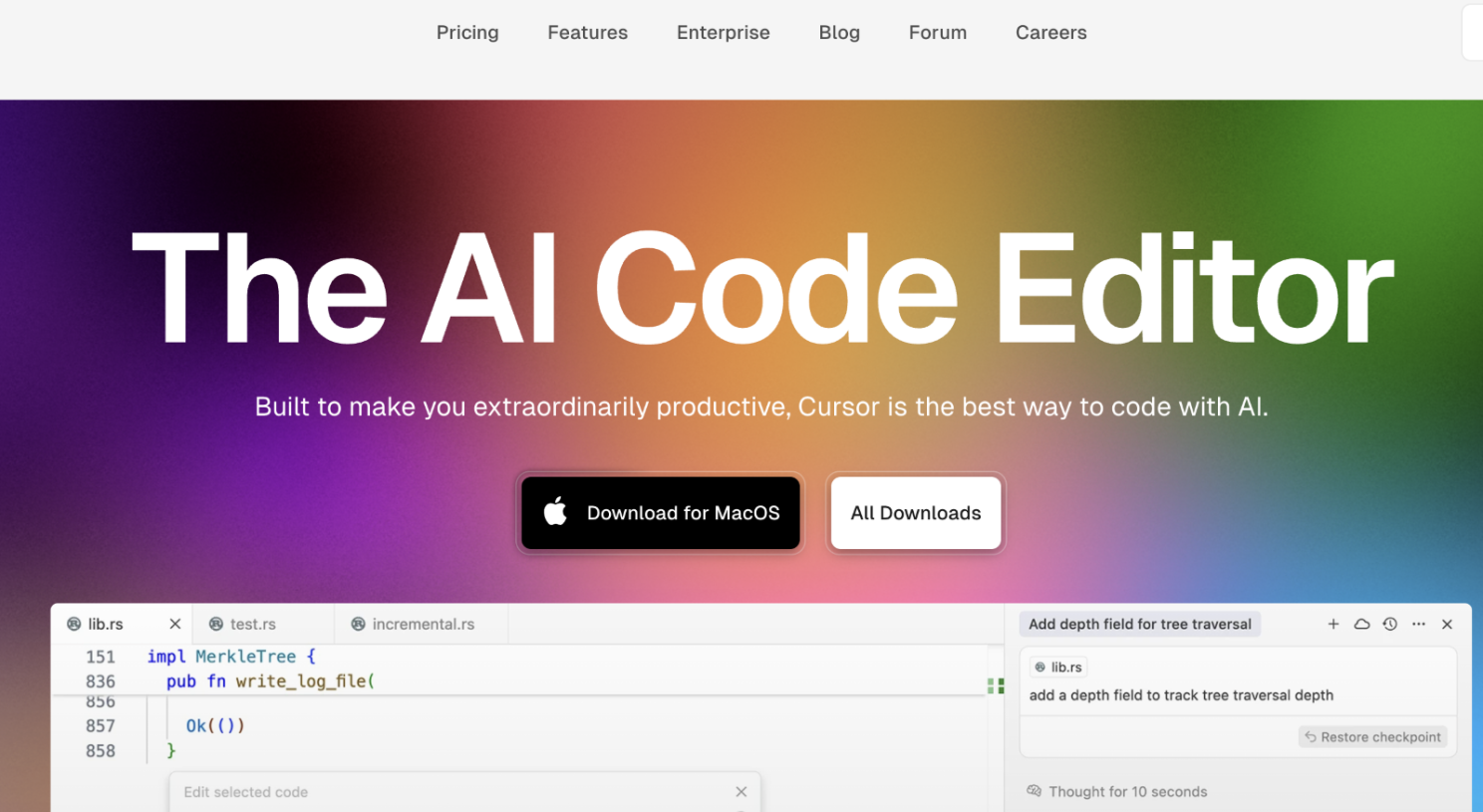
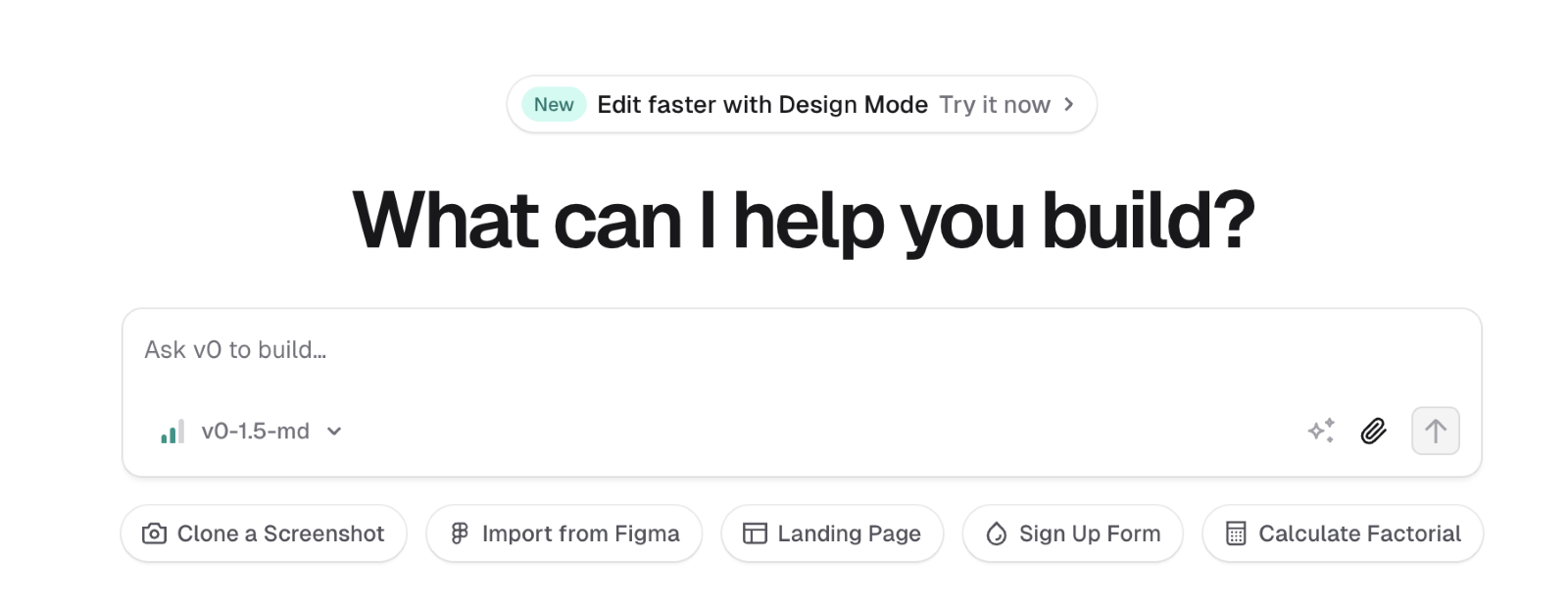
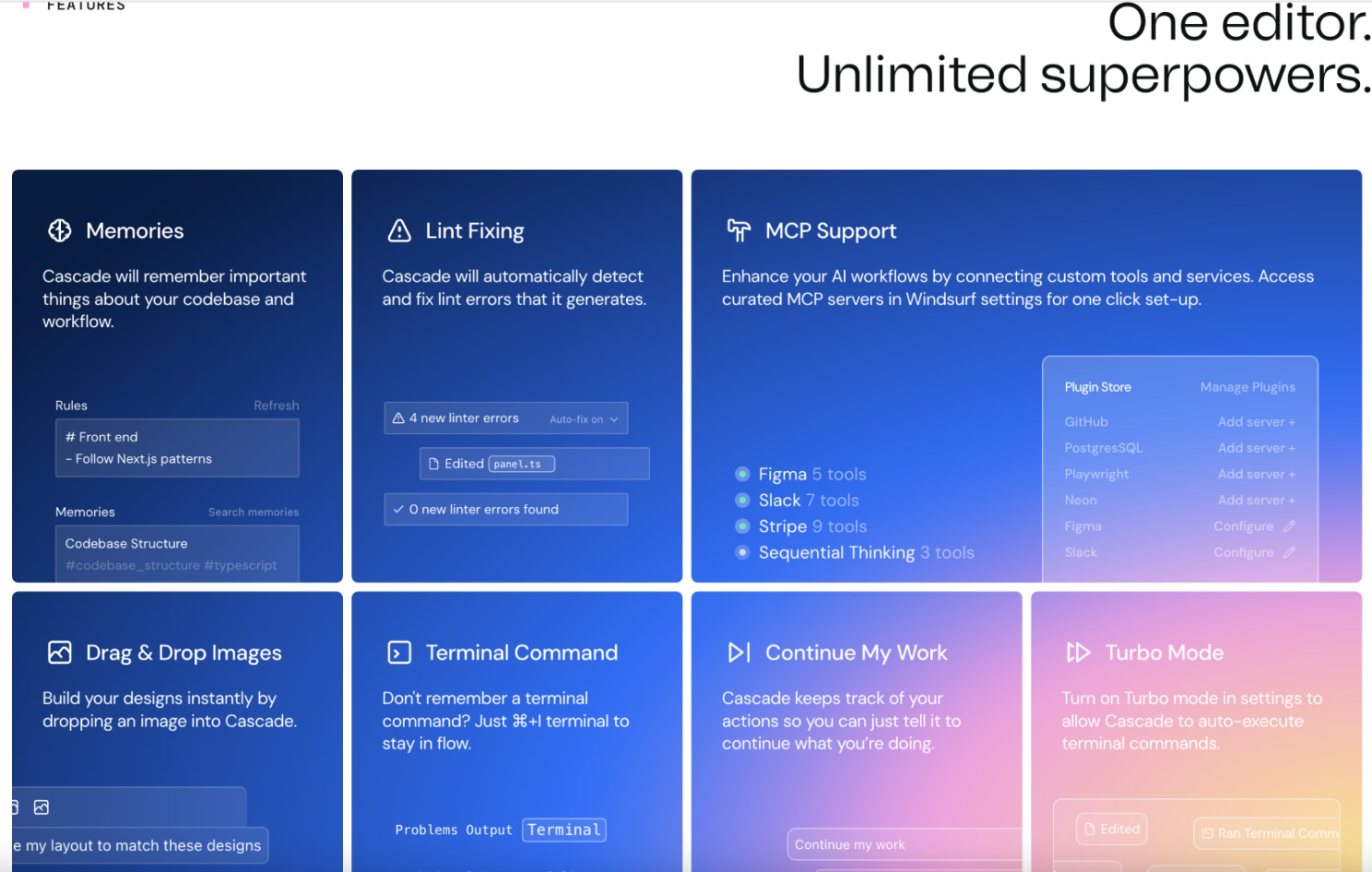
That position aside, these are some of the top tools out there used by myself and my colleagues. It is interesting to look at the home page of each of these tools for what they think is important or at the very least what they think differentiates them.
Claude code
Developed by Anthropic, Claude Code is a leading AI-assisted development tool. Claude Code is Anthropic’s agentic coding tool that runs directly in your terminal — and now also integrates into VS Code and JetBrains IDEs. Its model more than its IDE has become a standard in the Vibe coding space.
Cursor
Cursor is a developer-focused AI IDE that excels at debugging and refining “vibed” code. It is one of the few tools that bridges the gap between AI-generated code and traditional development environments as it was designed from the start as an AI IDE. You can also tell this by its landing page:
v0
Developed by Vercel, this tool has focused on developing front end experiences with import capabilities from Figma. You can see this on its landing page:
Windsurf
Windsurf is interesting because it has been acquired by OpenAI. It is both a standalone IDE as well as a plugin in many popular IDEs like Visual Studio code. I have used this primarily, and each release brings new surprises. For now, this continues to be my go-to tool mostly because it is the devil I know.
My Experience: From Curiosity to Caution
I first encountered Vibe coding through conversations with peers like Dustin Hughes, who shared both enthusiasm and caution. Dustin described it as “letting a framing crew build your house and then asking them to do the plumbing and drywall.” It is a vivid metaphor — and an accurate one. The result might look good, but it is not built to last
I have experimented with Vibe coding myself, especially in open-source contexts like Next.js and Python. It is a fantastic way to get started quickly, especially when using tools like OpenAI. But I have learned to adopt a “sidecar strategy” — letting AI assist in the background while I maintain control over the architecture and logic.
Lessons Learned / Best Practices for Vibe Coding
If you are going to embrace Vibe coding, here are a few best practices I have found essential:
- Use a Gitflow Workflow: AI Code Assists have a knack for ‘exploring the space.’ Git Committing early and often will give you visibility into any changes that were made and
- Be extremely specific: One of the beautiful things about LLMs is their ability to interpret what we time in a vague way and respond with something meaningful. While this works well in many tasks, it does not work well with software development. Spend the extra time on your prompts to be as detailed as possible.
- Slow is pro: Keeping a methodological approach. LLMs can make rapid changes to your code base and if you get caught up in excitement
- Use AI as a co-pilot, not a driver: Let tools like OpenAI assist with boilerplate or suggestions but always review and own the logic.
- Document your intent: Markdown is your friend. Document everything in Markdown and note what the purpose of what you are attempting to do is.
- Know when to stop: The biggest risk with Vibe coding is not knowing when to transition to disciplined engineering. Set clear criteria for when to switch gear.
Final Thoughts
Vibe coding is not inherently bad. Like any tool or technique, it depends on how you use it. For me, understand the fundamentals and use them to speed yourself up, not to replace yourself. I will be exploring this topic on an upcoming Podcast. Stay tuned.